What is Woodland Art?
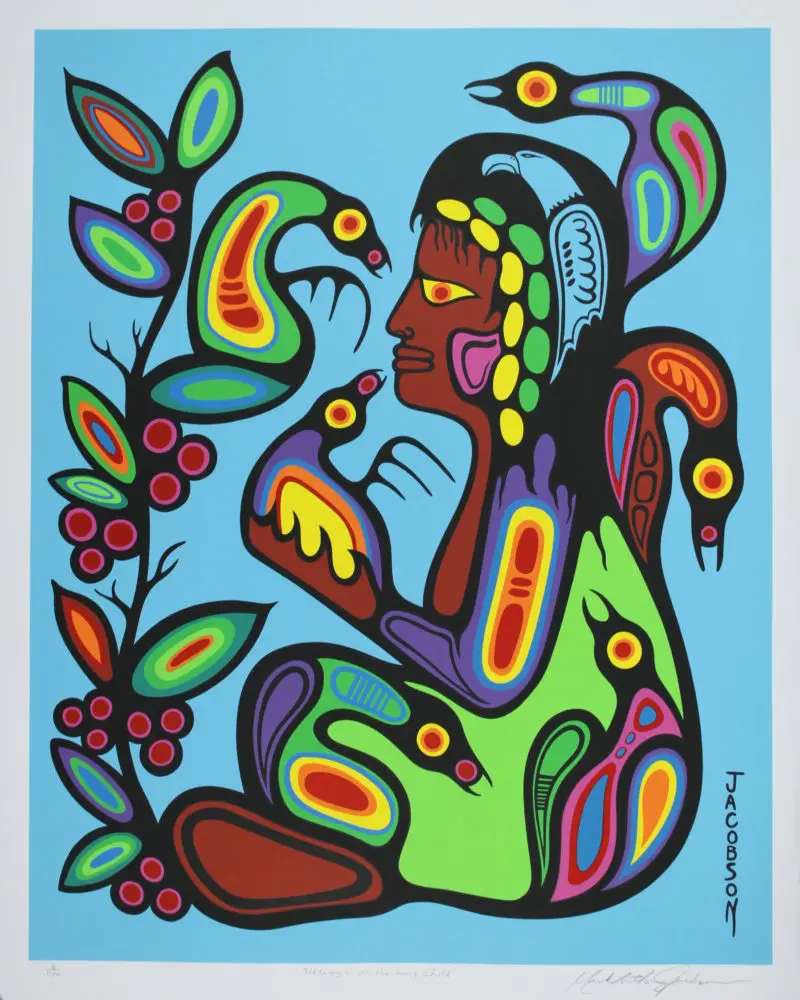
Woodland Art—also called Legend Painting or Medicine Painting—blends traditional stories with modern materials. It focuses on the relationships between people, animals, and plants, and it uses strong spiritual imagery and symbolism.
What Woodland Art looks like
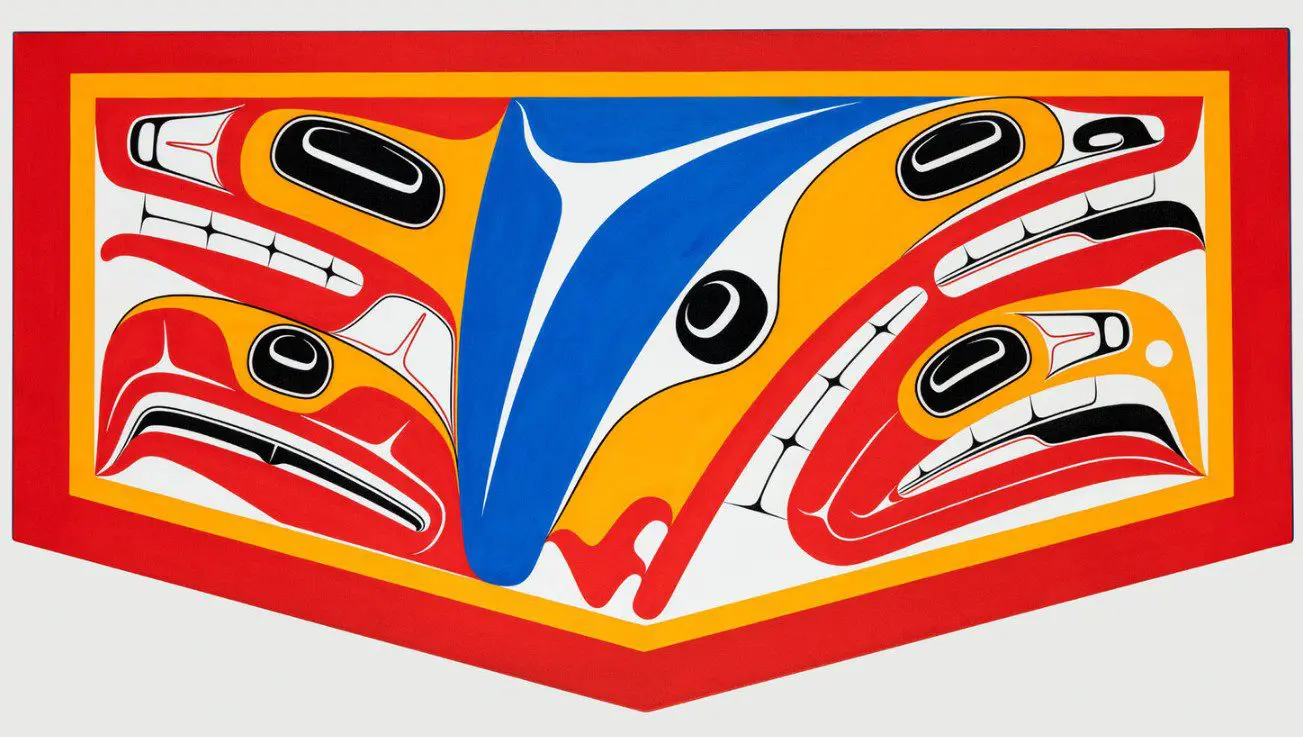
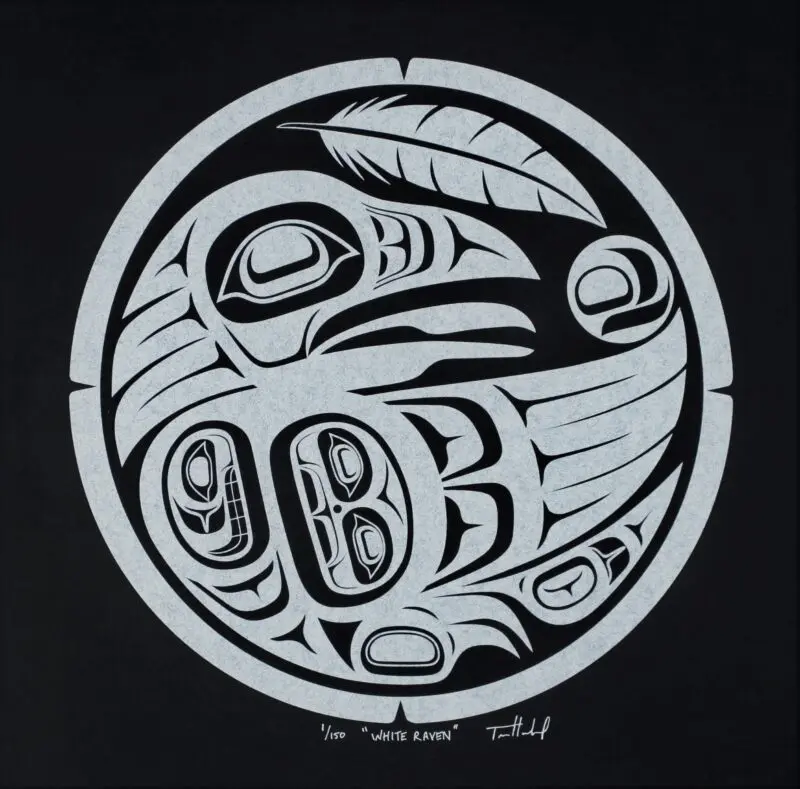
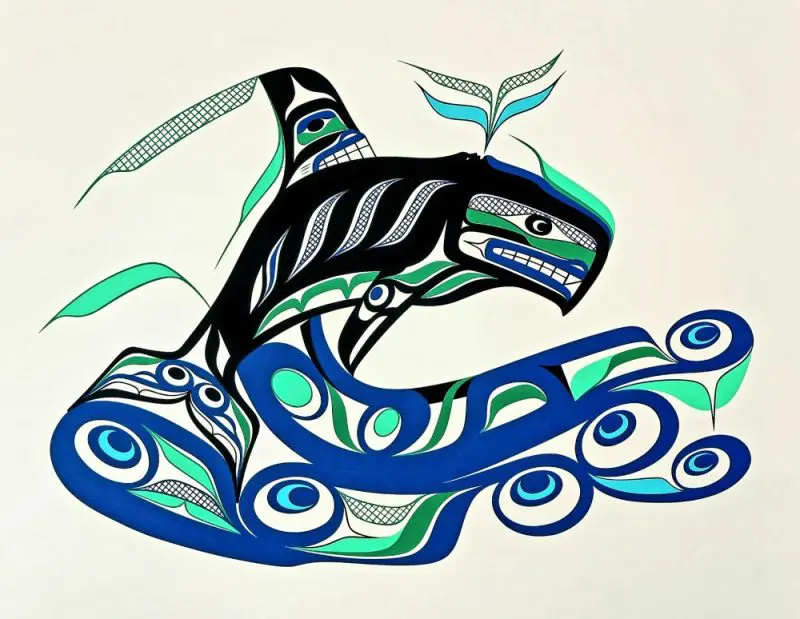
Woodland Art uses bright colours, bold lines, and flat, 2‑dimensional designs. Artists rely on heavy black form lines and x‑ray views that reveal inner shapes and energies. The perspective stays frontal, profile, or aerial, with no ground lines or horizons. The style may look simple, yet the themes carry deep meaning.
Symbolism drives the imagery, while the materials are modern. Artists often use acrylic or watercolor on paper, canvas, or wood panels.
Where Woodland Art comes from
Norval Morrisseau, an Ojibway artist from Northern Ontario, founded the Woodland School of Art. He was the first Ojibway artist to break tribal rules by painting traditional legends. Elders criticized him at first for revealing spiritual knowledge, yet his style gained momentum in the late 1960s. His work revived Anishinaabe imagery and inspired artists such as Mark Anthony Jacobson, Mike Alexander, Roy Thomas, and John Laford.
Morrisseau, often called the “Picasso of the North,” received the Order of Canada for his impact on Canadian art. He helped future Indigenous artists stay true to their culture while still being recognized in the wider art world.

Admin
Cedar Hill Long House Native Art Prints