
Pollinators – And Their Sacred Role in the Pacific Northwest
Pollinators: The Foundation of Life
Pollinators like bees, hummingbirds, bats, and butterflies are the unsung heroes of our ecosystems. These small creatures play an important role in sustaining life on Earth. Around 75% of the world’s flowering plants and 35% of global food crops rely on pollinators for reproduction. Without them, we would lose not only fruits, nuts, and vegetables but also the wild plants that support wildlife and stabilize our ecosystems.
But these vital creatures are in crisis. Habitat loss, pesticide use, climate change, and invasive species have led to alarming population declines. The loss of pollinators ripples across ecosystems and human communities alike, particularly those whose cultural practices depend on them.
The Pacific Northwest: A Living Landscape of Interconnectedness
In the Pacific Northwest the story of pollinators is not only one of science, it is also deeply cultural, especially among the Indigenous Peoples of the Pacific Northwest. Here, pollinators are part of a living relationship between humans, plants and the natural world, a relationship rooted in respect, reciprocity, and renewal.
Native bees, such as the yellow-faced bumblebee, and birds like the rufous hummingbird, play key roles in the pollination of culturally significant plants, such as salmonberry, camas, fireweed, huckleberry, and wild rose, to name a few.
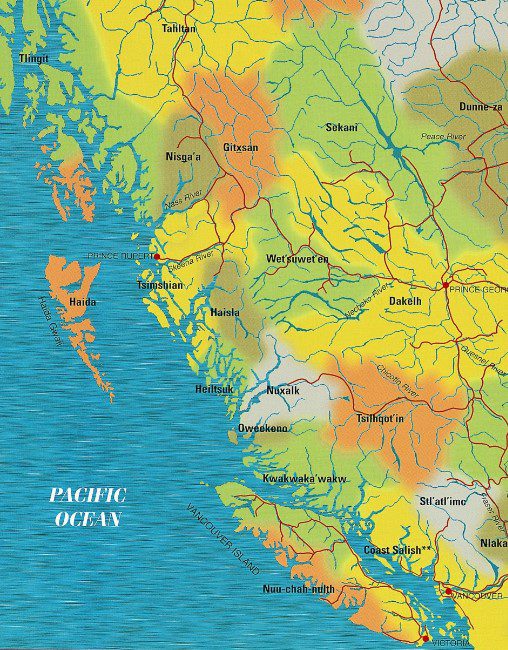
For Indigenous nations such as the Coast Salish, Nuu-chah-nulth, Haida, and Tlingit, these plants are not mere resources, they are relatives. Many are used for food, medicine, dye, and ceremony. Pollinators, in turn, are kin who ensure the survival of these communities.
Traditional stories and teachings often describe how the balance between humans and the natural world depends on respect and restraint. Indigenous stewardship practices, such as cultural burning or selective harvesting, help maintain diverse flowering habitats that support pollinators and prevent ecosystem collapse.
Today, Indigenous communities are leading efforts to restore both pollinators and the traditional ecological knowledge that sustains them. Across the region, community gardens, native plant restoration projects, and language revitalization programs are reconnecting people with the ecological rhythms that have long guided sustainable living.
A Call to Protect What Connects Us
Protecting pollinators is not just an environmental issue, it’s an act of cultural survival, food security, and climate justice. The wisdom of Indigenous peoples of the Pacific Northwest teaches that every being has a role in maintaining the web of life. When we care for pollinators, we honour the reciprocal relationships that sustain the world.
Whether through planting native wildflowers, reducing pesticide use, or supporting Indigenous-led conservation, each of us can play a part. Because when the pollinators thrive, so does everything else.
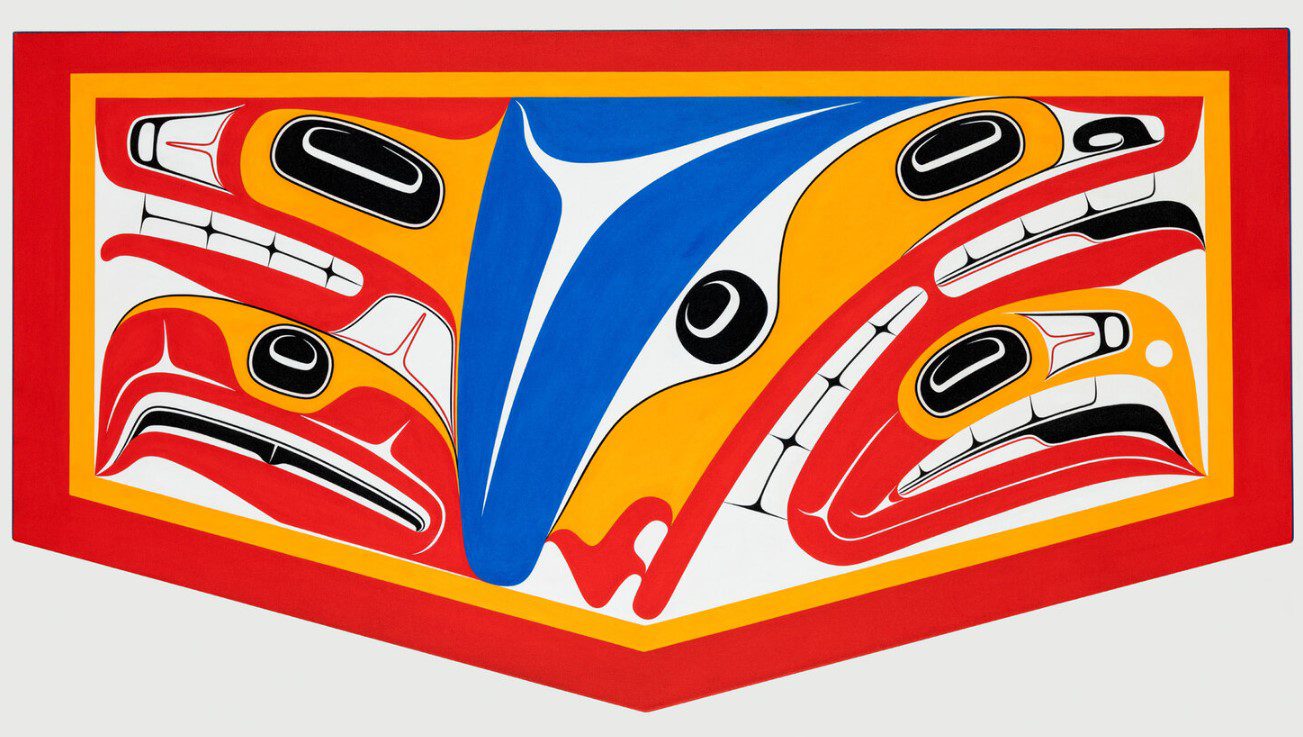
Image: Bee by Trevor Husband

Admin
Cedar Hill Long House Native Art Prints